AI Image models
5 Best AI Image Generation Models in 2026

The best AI image model in 2026 depends entirely on your use case. GPT Image 2 leads on text-in-image accuracy and offers both text-to-image and image-to-image generation. Nano Banana 2 produces the finest 4K photorealistic detail available. Midjourney remains the benchmark for artistic and atmospheric output. Stable Diffusion is the open-source backbone for fine-tuning and self-hosted workflows. Adobe Firefly is the go-to when commercial IP compliance is non-negotiable. No single model wins every task, but this guide will show you which one fits yours.
What Changed in AI Image Generation in 2026
Two shifts define the 2026 landscape. The first is text rendering. For years, in-image text was a reliable failure mode: letterforms blurred, words misspelled, and layouts collapsed. That changed this year. GPT Image 2 handles text accurately enough for real production work, including posters, infographics, and marketing collateral with actual copy. The second is resolution quality. 4K output, once mostly a marketing claim, is now a genuine differentiator. The practical challenge for teams is no longer finding a capable model; it is choosing the right one for each task without getting locked into a single provider.
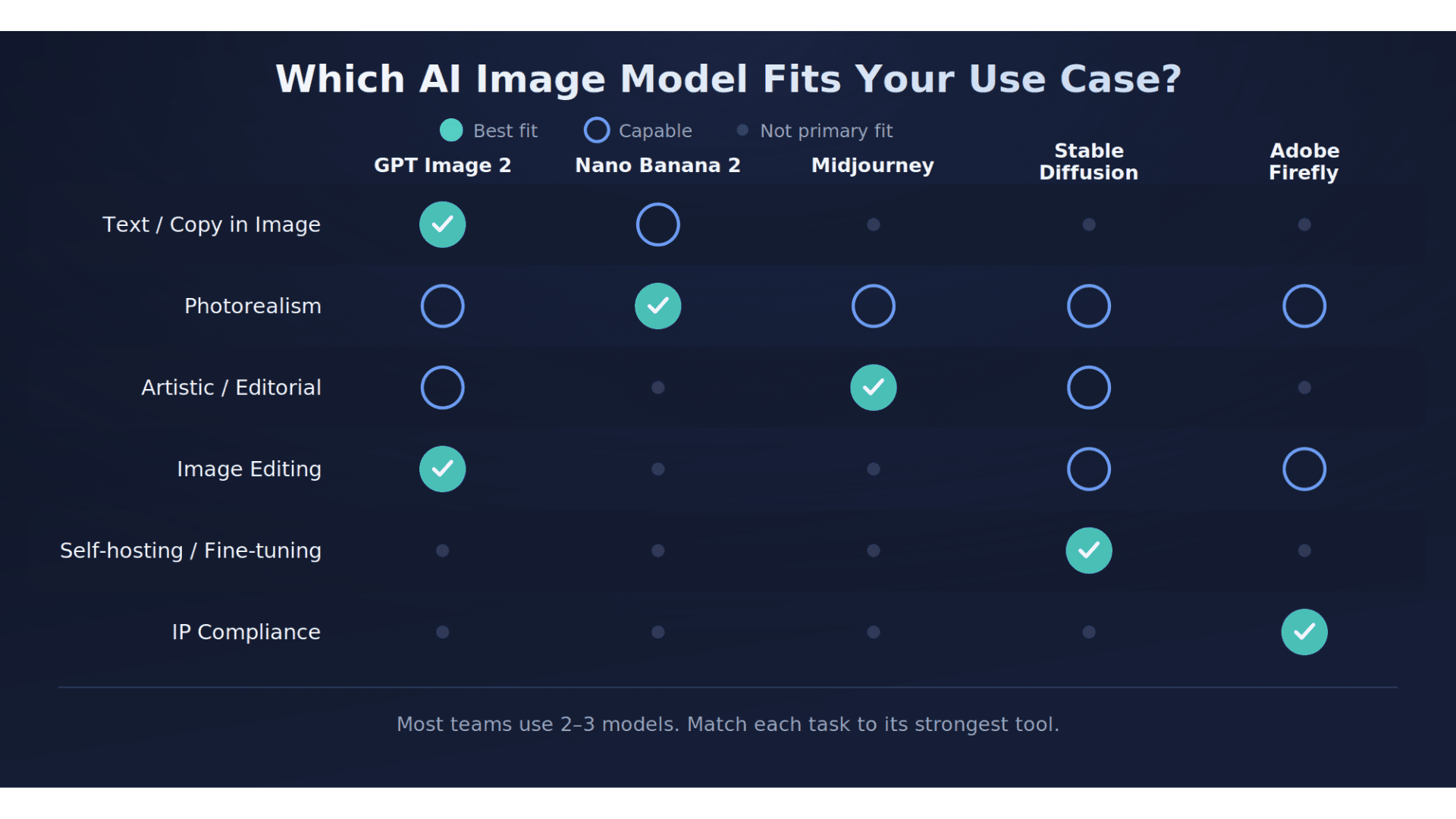
Quick Comparison: The 5 Best AI Image Generation Models in 2026
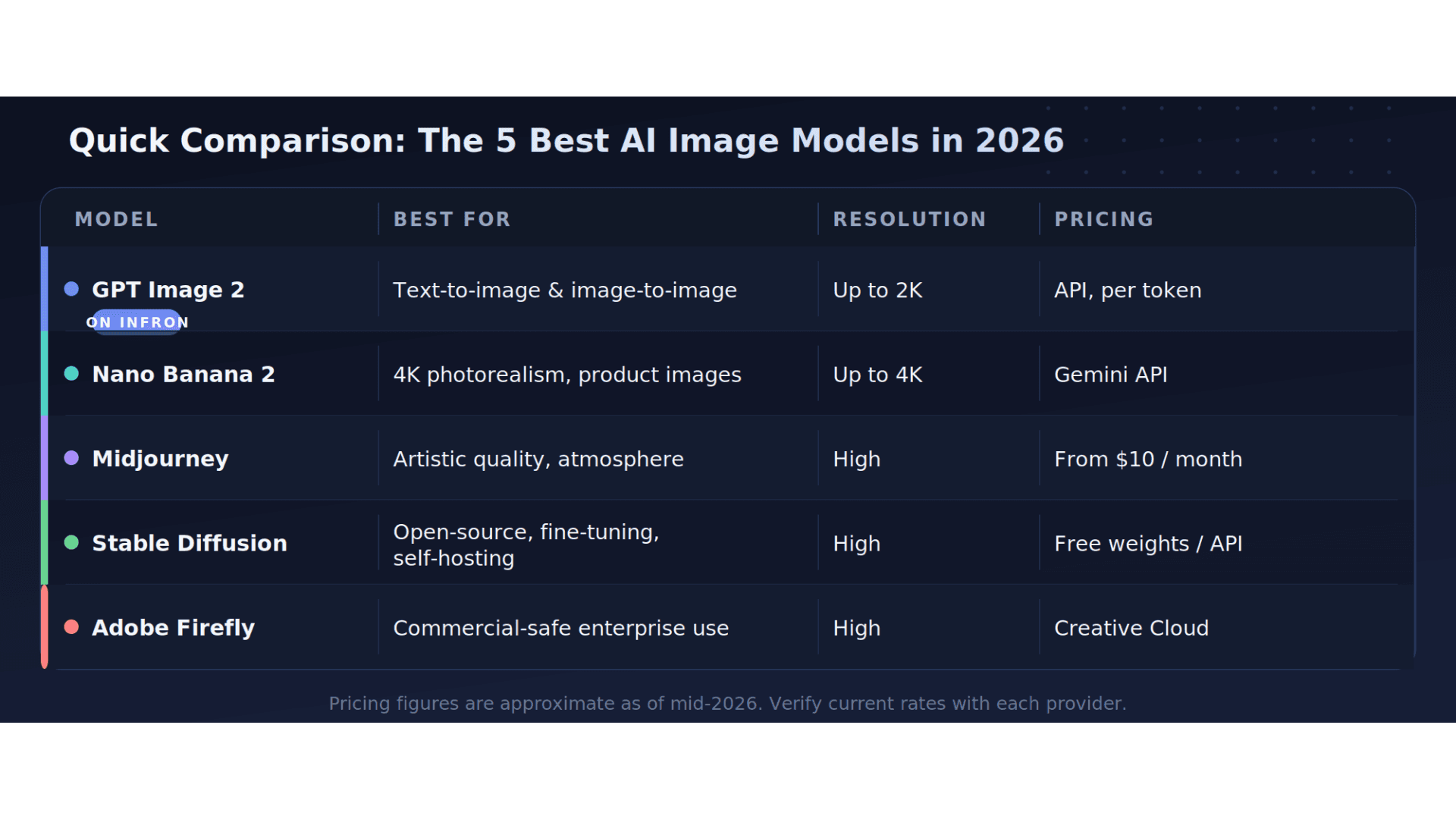
The 5 Best AI Image Generation Models in 2026
1. GPT Image 2: Best AI Image Model for Text and Complex Scenes
Released by OpenAI on April 21, 2026, GPT Image 2 introduces a reasoning step before rendering: it plans a composition, drafts it, and self-corrects before returning the final image. The result is markedly better performance on complex, multi-element scenes, such as labels, signage, infographics, and anything requiring accurate placement of text alongside objects.
Independent testing has consistently found GPT Image 2 to produce the most legible in-image text among current models, with reviewers citing character-level accuracy around 99% across multiple scripts.
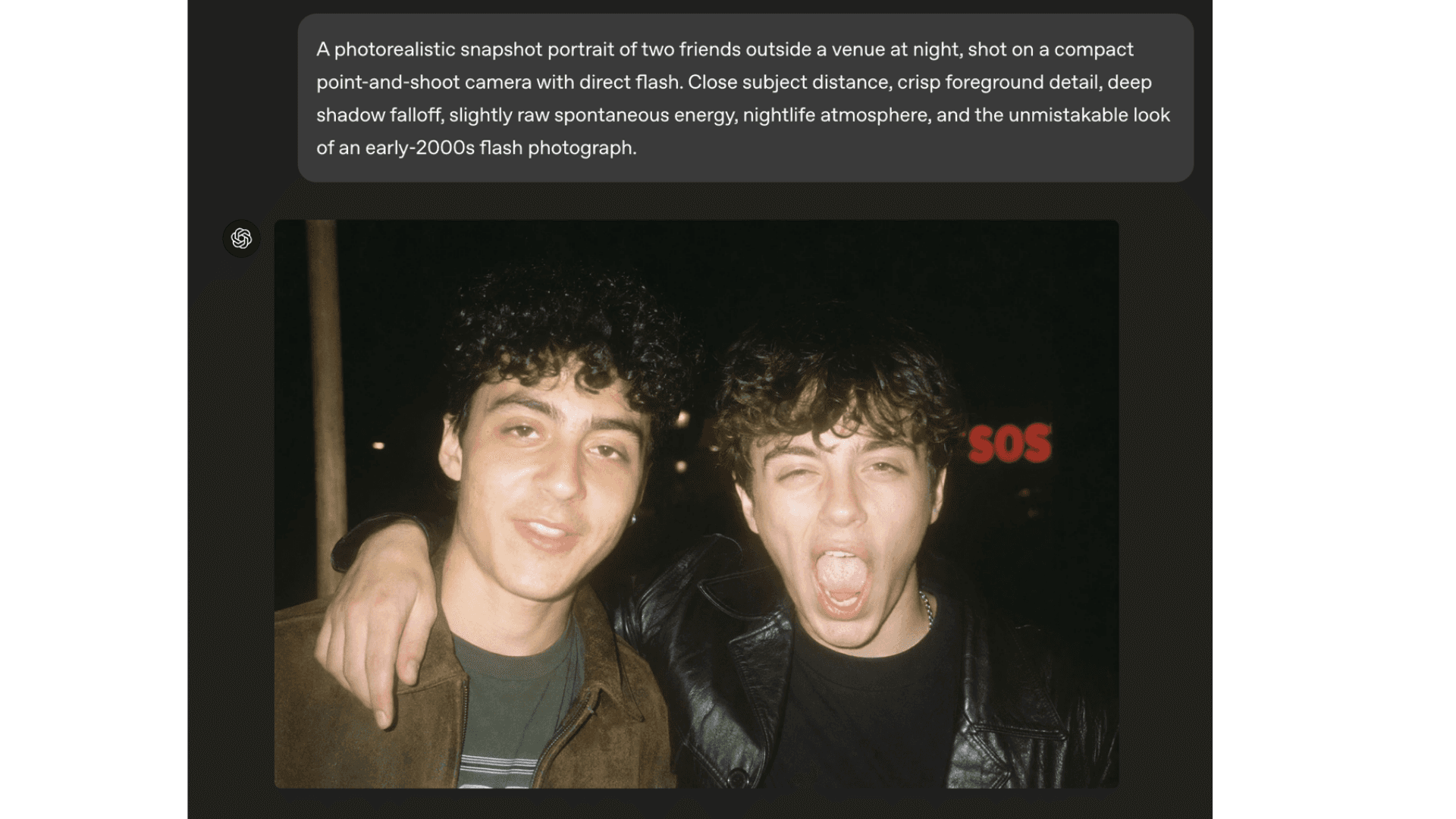
Trade-offs include longer generation times when the reasoning step is engaged, since GPT Image 2 runs in two speeds: an instant mode for straightforward prompts and a thinking mode that plans and self-corrects for complex layouts. The resolution profile centers on 2K through the standard API, with higher resolutions available through specific deployments rather than guaranteed everywhere.
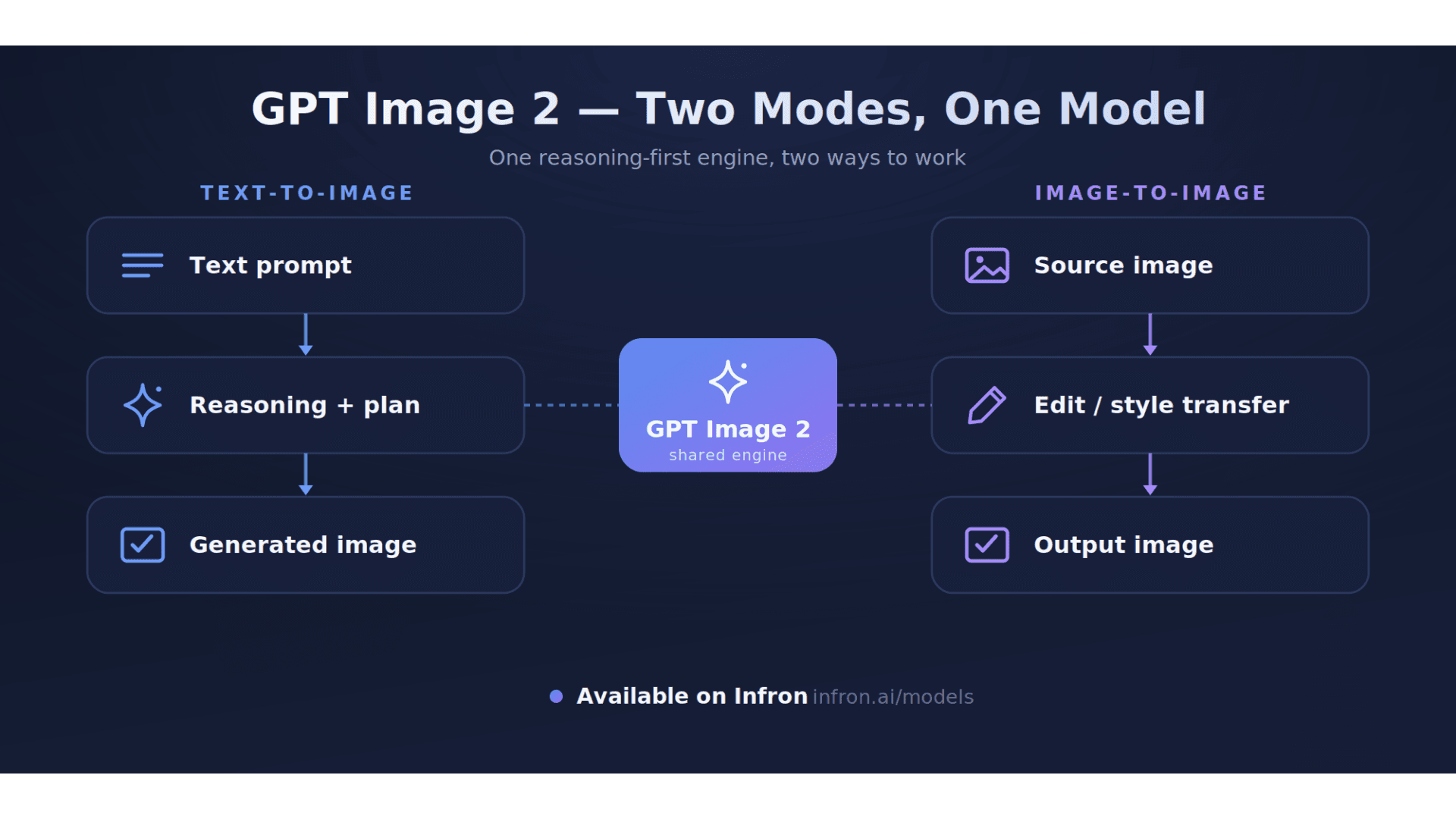
What sets GPT Image 2 apart in a production context is its dual-mode design. On Infron, it is available as two distinct products. The Text-to-Image variant generates original visuals directly from a written prompt, making it suited for marketing assets, illustrated content, infographics, and multilingual creative from scratch. The Image-to-Image variant takes an existing image as input and applies targeted edits, style transfers, or compositional changes while preserving the original structure. This is useful for refining product shots, adapting brand visuals across formats, or transforming rough references into polished output. Both variants run on the same underlying engine, so the model's accuracy advantage on text and complex composition carries through whether you are generating from scratch or editing an existing image.
Best for: Marketing collateral, infographics, image editing and transformation, multilingual creative
Pricing: Token-based via OpenAI API (~$8/million input, ~$30/million output tokens)
Limitations: Thinking mode adds latency on complex prompts; standard API output centers on 2K, so very large print may need upscaling
2. Nano Banana 2 (Gemini 3.1 Flash Image): Best AI Image Model for Photorealism
Google's Nano Banana 2 (technically Gemini 3.1 Flash Image) launched on February 26, 2026 as the high-efficiency successor to Nano Banana Pro, which itself was built on Gemini 3 Pro Image. The positioning is "Pro-level visual quality at Flash speed". Nano Banana 2 retains the photorealistic fidelity that made the Pro version impressive, but generates faster and at significantly lower cost. Google reports roughly 50% cheaper image generation than the Pro tier. At up to 4K resolution, it renders fine-grained textures (fabric, metallic surfaces, architectural finishes) at a level that competes with studio photography for product visualization.
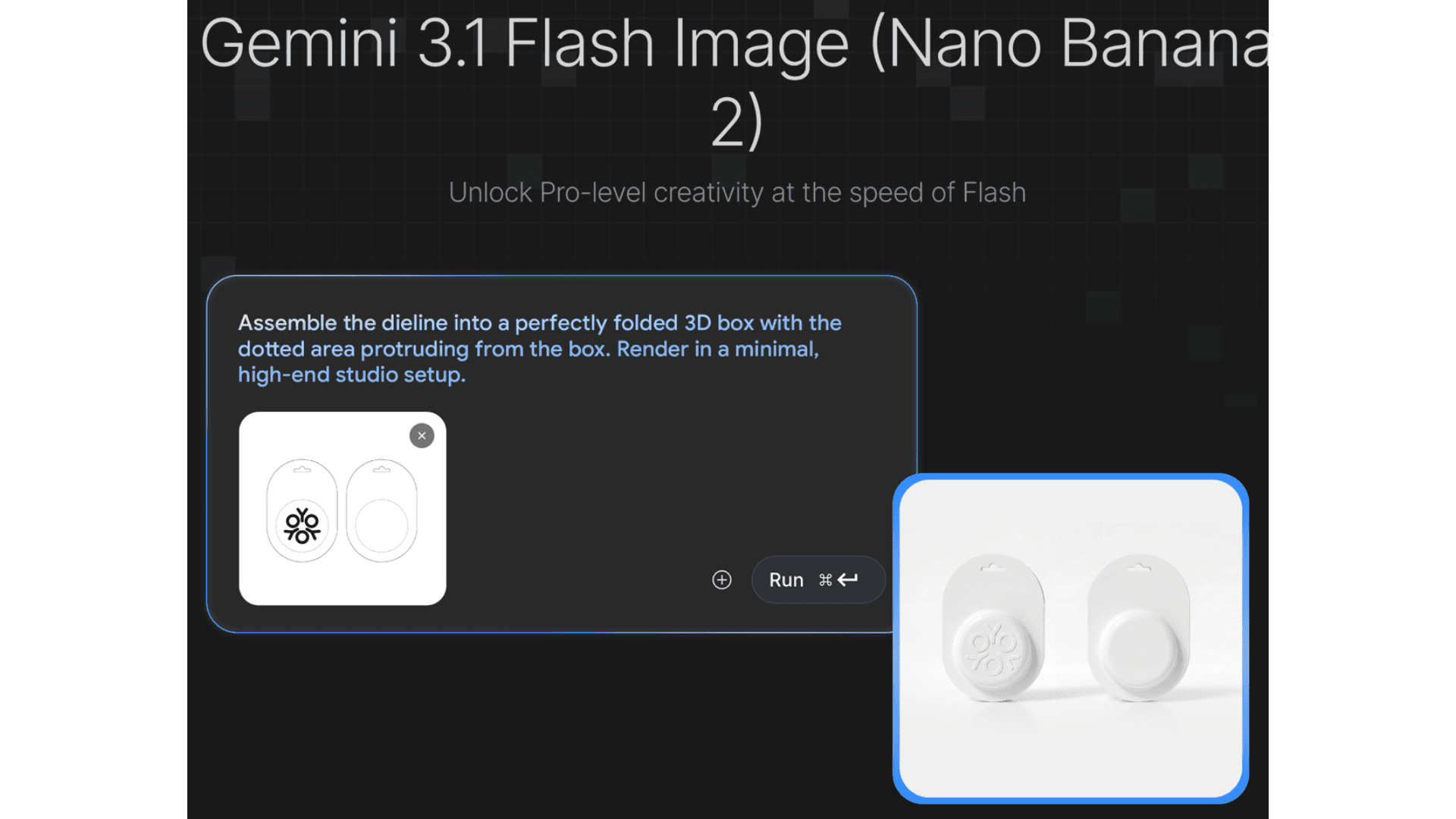
Its relative weakness is on abstract or stylized prompts, where it tends toward literal interpretation. For atmospheric or editorial work, Midjourney is the stronger choice. For product imagery, architectural renders, or high-resolution lifestyle photography, Nano Banana 2 is currently the best AI image generator available at this level.
Best for: Product photography, architecture, photorealistic portraiture
Pricing: Via Gemini API (aligned with Google AI Studio rates)
Limitations: Less expressive on abstract or stylized work; Gemini API access required
3. Midjourney: Best AI Image Model for Artistic Quality
Midjourney remains the model most creatives reach for when output needs to look intentional rather than generated. Abstract, emotional, and conceptually layered prompts reliably produce images that communicate mood, not just content. The Discord-based interface now has a more polished web UI and the model has continued to iterate through 2025 and 2026.
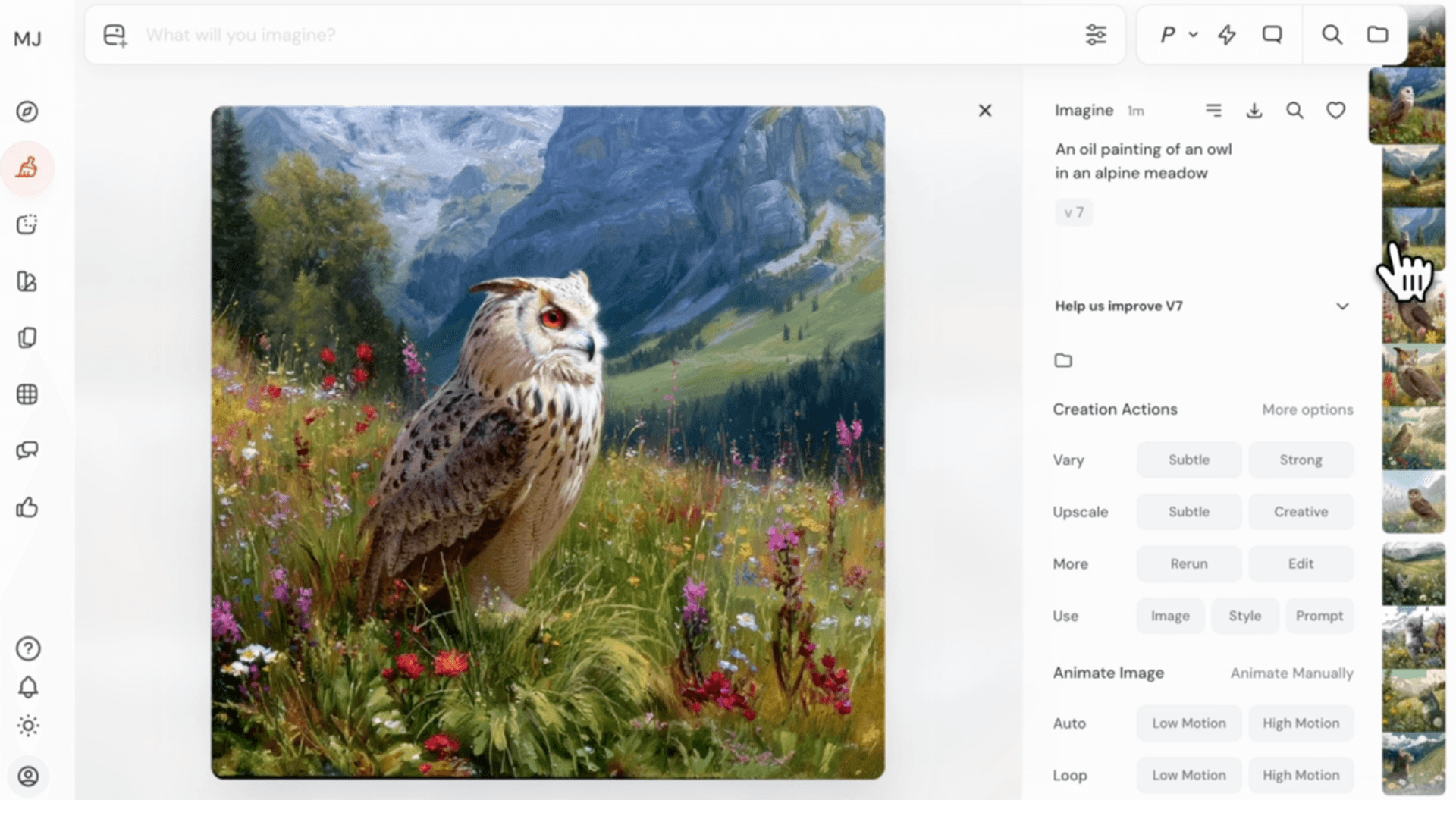
Text rendering is unreliable compared to GPT Image 2, and it lacks the commercial-content guarantees of Adobe Firefly. For editorial photography, concept art, and brand atmospherics, where artistic expression matters more than pixel-perfect accuracy, Midjourney remains the strongest AI image model available. Pricing starts at around $10 per month.
Best for: Editorial, concept art, brand mood, creative direction
Pricing: From $10/month (subscription tiers)
Limitations: Text rendering unreliable; no free tier; no formal IP indemnification
4. Stable Diffusion: Best Open-Source AI Image Model
Stability AI's Stable Diffusion family remains the open-source backbone of the AI image space. The 3.5 generation is no longer the newest model on this list, but it stays in active production use because of what no closed competitor offers. What separates Stable Diffusion from every other model in this guide is open weights: teams can download the model, run it on their own infrastructure, fine-tune it on proprietary data, and modify the inference pipeline directly. That level of control is unavailable from any closed commercial model.
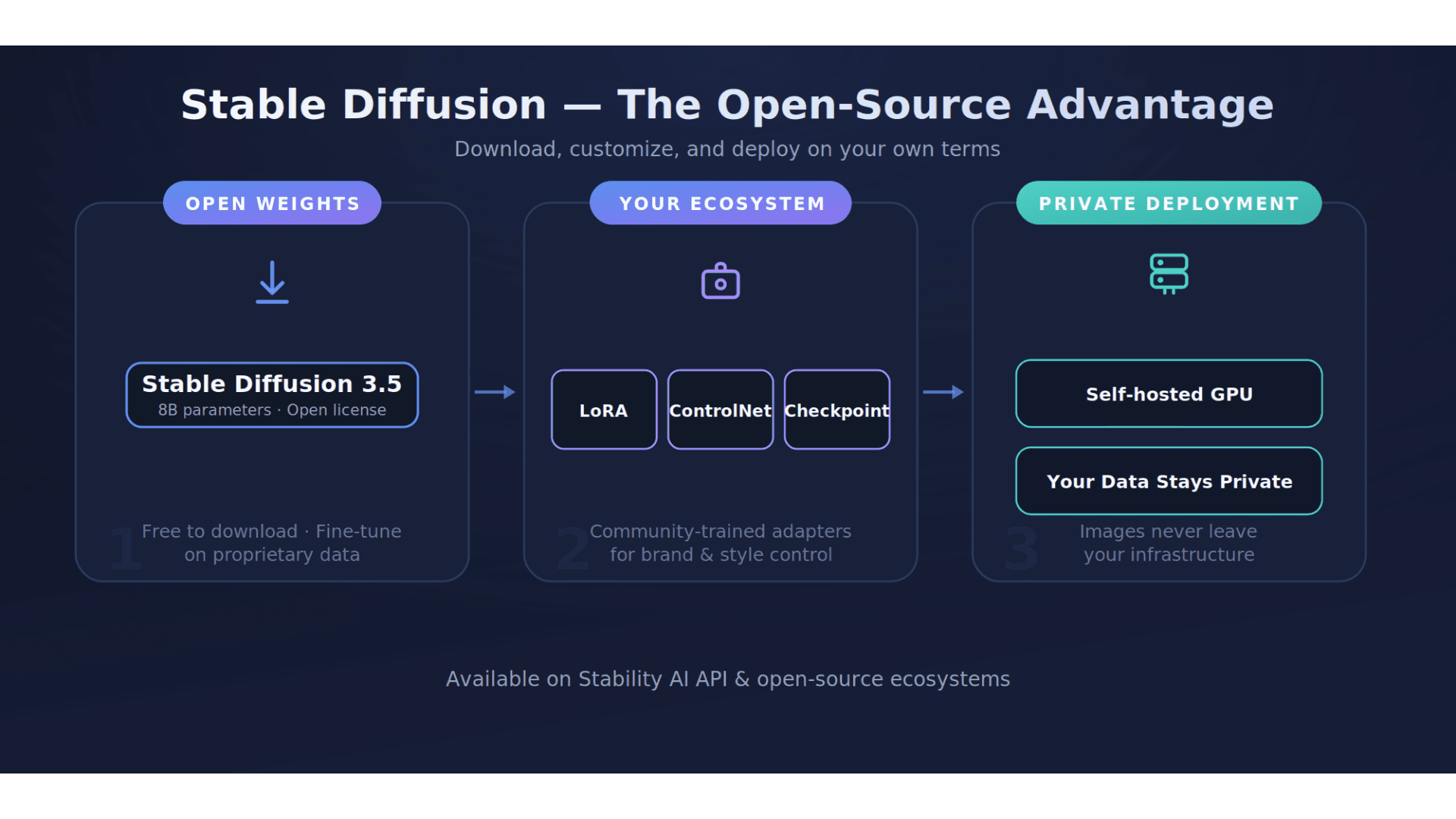
The surrounding ecosystem is also unmatched. LoRA adapters, ControlNets, and community-trained checkpoints let teams tailor output to brand styles, specific characters, or niche aesthetics that closed models cannot accommodate. For data-sensitive workflows where images cannot leave a private environment, or for high-volume use cases where per-request API pricing would dominate cost, self-hosting Stable Diffusion is often the only viable path. The trade-off is operational: running it well requires GPU infrastructure and pipeline engineering, and base-model output quality typically trails GPT Image 2 or Nano Banana 2 without careful fine-tuning.
Best for: Open-source workflows, self-hosting, fine-tuning, data-sensitive teams
Pricing: Free weights under open license; API via Stability AI and aggregators
Limitations: Requires infrastructure to self-host; base-model quality below leading closed models
5. Adobe Firefly: Best AI Image Model for Enterprise and IP Compliance
Adobe Firefly is purpose-built for organizations where intellectual property and legal compliance are non-negotiable. Trained exclusively on licensed content and Adobe Stock assets, it provides a commercial-use guarantee that closed models from OpenAI or Google do not currently match in equivalent form. It integrates directly with Creative Cloud (Photoshop, Illustrator, InDesign), removing the friction of switching between a standalone AI tool and the existing design environment.
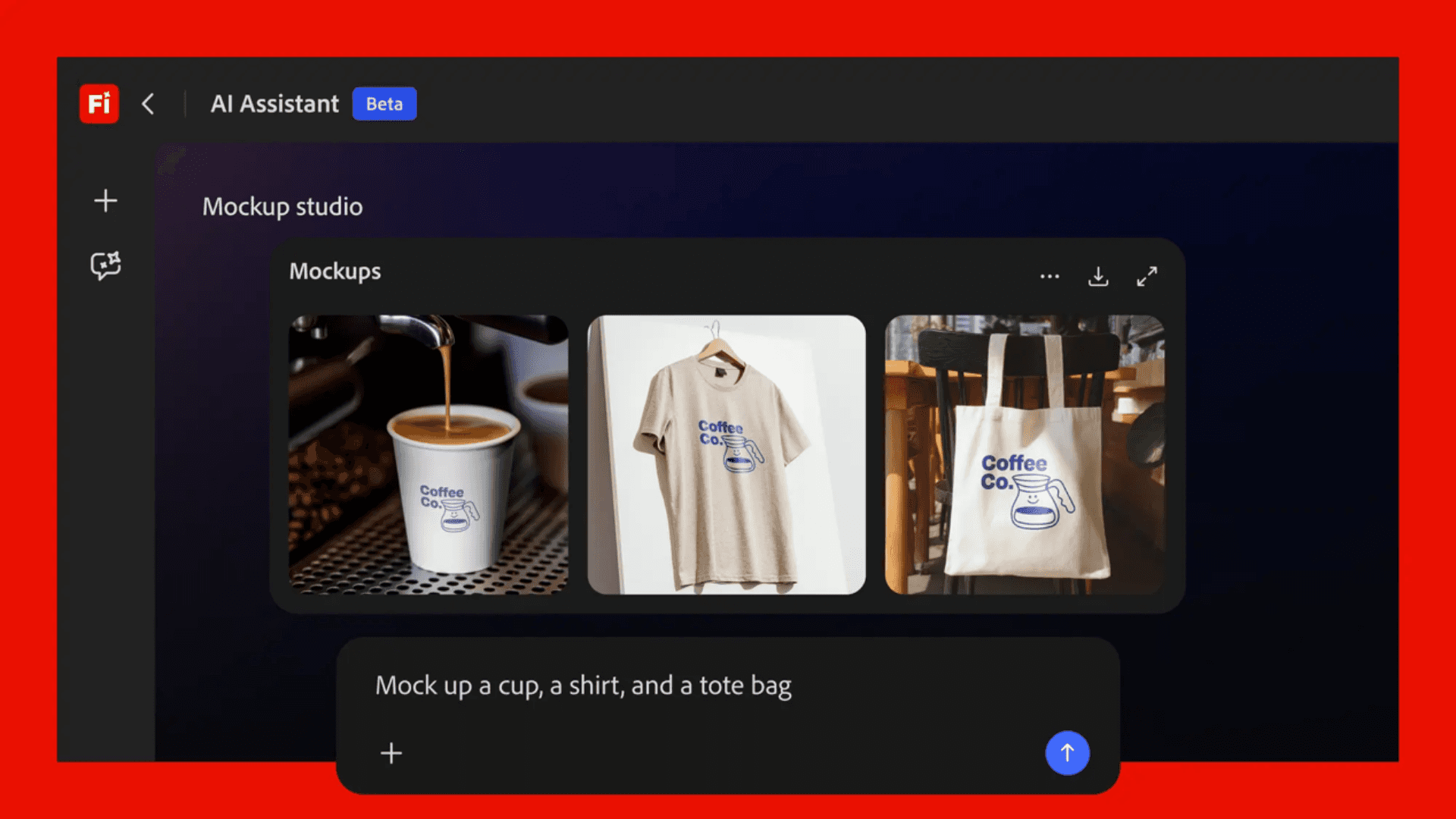
For purely expressive output it does not match Midjourney, but for enterprise teams that need IP-indemnified images within the Creative Cloud ecosystem, it is the natural choice.
Best for: Enterprise marketing, IP-sensitive production, Creative Cloud teams
Pricing: Included with Creative Cloud plans; standalone credits available
Limitations: Less expressive than Midjourney for artistic output; Adobe ecosystem lock-in
How to Choose the Best AI Image Model in 2026
Match your primary use case to the model built for it:
Your priority | Best model |
|---|---|
Text or copy in the image | GPT Image 2 (Text-to-Image mode) |
Editing or transforming existing visuals | GPT Image 2 (Image-to-Image mode) |
Maximum photorealistic detail | Nano Banana 2 |
Artistic quality, brand mood, concept work | Midjourney |
Open source, fine-tuning, self-hosting | Stable Diffusion |
IP compliance, Creative Cloud integration | Adobe Firefly |
But use case is only one axis. The right model also depends on how your team works and what you are optimizing for.
If cost control is the priority, Stable Diffusion self-hosted on your own GPUs eliminates per-request fees at high volume. Midjourney's flat subscription is predictable for small creative teams. API-based models like GPT Image 2 and Nano Banana 2 scale linearly with usage, making them economical at low volume, though costs grow with scale.
If speed of integration matters, closed API models win: a single API call returns a finished image with no infrastructure to manage. Stable Diffusion requires setup and maintenance, but gives you a level of control no API can match.
If you need both generation and editing, GPT Image 2 is the only model in this guide that covers both in one pipeline, using Text-to-Image for creation and Image-to-Image for transformation. Every other model requires a separate tool or workflow for image editing.
Most production teams in 2026 use two or three models rather than one. Locking into a single provider means losing the ability to route each task to the model best suited for it, and as usage grows, that limitation becomes expensive.
Access the Best AI Image Models Through One API
Managing separate API keys, billing accounts, and SDK integrations for each provider adds real friction at scale. Infron provides a single unified API covering leading AI image, video, and language models, including GPT Image 2 in both Text-to-Image and Image-to-Image modes.
For teams already routing language or video models through Infron, adding image generation becomes a single API call rather than a separate integration (same billing dashboard, same routing controls). When OpenAI hits a rate limit or an outage, requests can route to alternative models automatically, and usage is tracked in one place across every model on the platform.
Frequently Asked Questions
What is the best AI image generation model in 2026?
The best AI image model in 2026 depends on your use case. GPT Image 2 leads on text rendering, complex prompts, and is the only model in this guide offering both text-to-image and image-to-image modes. Nano Banana 2 produces the finest photorealistic detail at 4K. Midjourney remains the gold standard for artistic quality. For most production teams, the right answer is matching two or three models to specific tasks rather than relying on one tool.
Which AI image generation model handles text best in 2026?
GPT Image 2 is the strongest option for text-in-image work in 2026. It introduced a reasoning step before rendering that significantly improves legibility on multi-word strings inside complex visual compositions, a use case that was a consistent weak point across all AI image models before this year.
What is the best AI image generation model for developers in 2026?
For developers who need full control (including open weights, fine-tuning, and self-hosting), Stable Diffusion remains the standard, with a deep ecosystem of LoRAs, ControlNets, and community checkpoints. For developers building on closed APIs who want strong out-of-the-box quality and reasoning-step accuracy, GPT Image 2 is the leading choice and is available through Infron's unified API at infron.ai/models for teams that prefer not to manage direct OpenAI integration.